Otherdeed environments: all 29, from Bog to Chaos
The environment is the first thing you see on any Otherdeed — it's the landscape itself, and it does more to set a plot's character than any other trait. There are 29 environments across the 100,000 plots, they group into eight visual families, and their supplies run from 6,775 plots down to 111. But environment is only half of the land question: every plot also carries an Environment Tier from 1 to 5, so a deed can be scarce because of the terrain, because of the plot size, or because of the intersection of both. Here's the full tour.
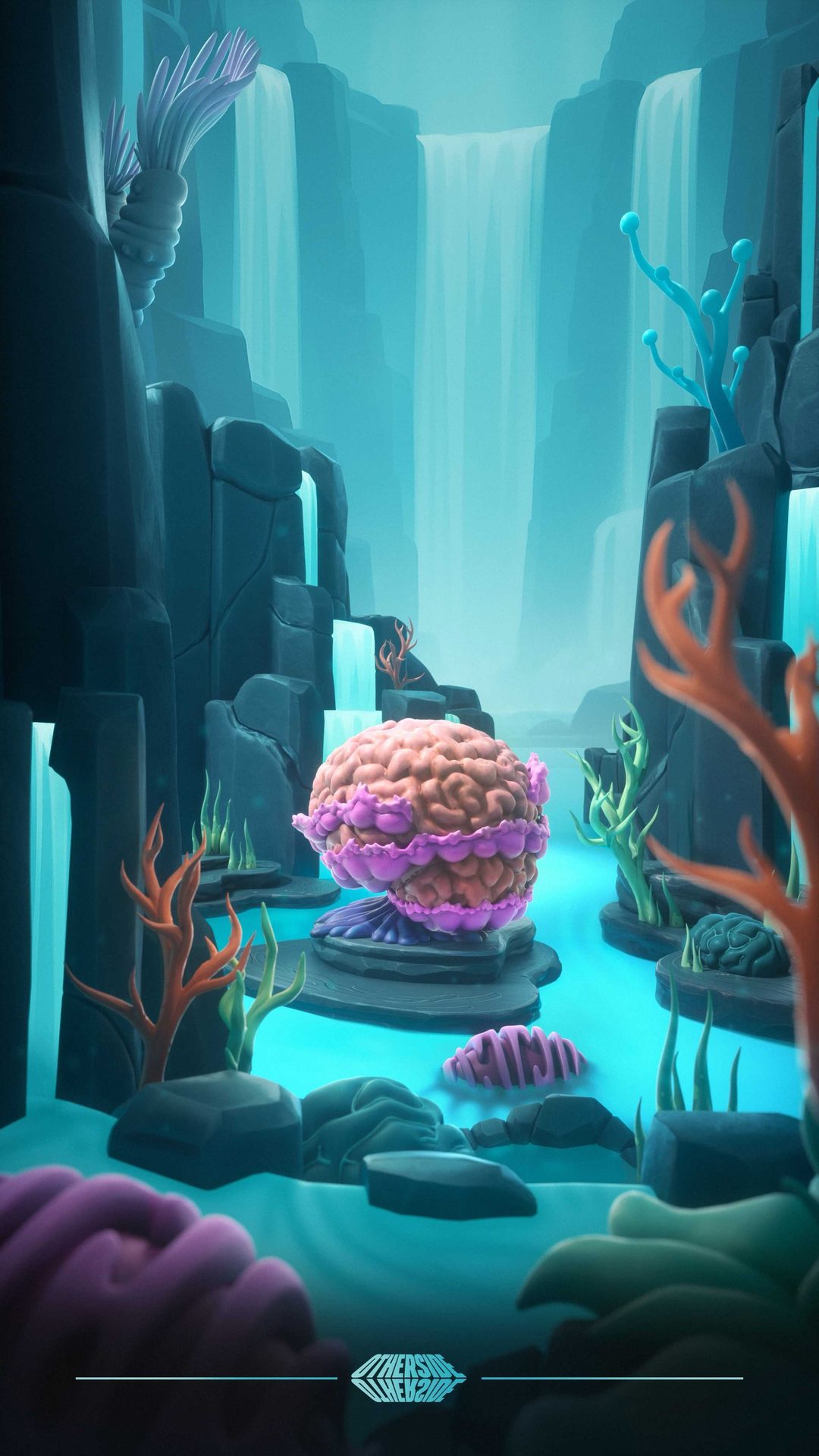
Eight families, 29 environments
Yuga never published an official taxonomy, so the family groupings below are visual — kindred landscapes, kindred palettes — a Mr. Deeds browsing aid, not a rarity system. Within every family the environments run from scarce to common:
| Family | Environments (rarest → most common) |
|---|---|
| Chaos | Chaos (111 — see below) |
| Psychedelic | Acid (1,402) · Sludge (1,985) · Shadow (2,380) · Mallow (3,240) |
| Growth | Botanical (1,634) · Mycelium (2,358) · Jungle (2,968) · Mystic (3,754) |
| Mineral | Luster (1,839) · Crystal (2,627) · Spires (3,264) · Biolume (4,438) |
| Volcanic | Obsidian (2,284) · Crimson (3,217) · Sulfuric (4,028) · Molten (5,483) |
| Spirit | Sky (2,413) · Veldan (3,513) · Sands (4,339) · Steppes (5,787) |
| Harsh | Bone (2,671) · Wastes (3,976) · Splinter (4,909) · Glacia (6,393) |
| Decay | Plague (2,853) · Ruins (4,224) · Thornwood (5,135) · Bog (6,775) |
Environment supply is simple trait rarity: if one environment appears on 6,775 plots and another on 1,402, the second is scarcer by count — a 60-fold spread between Bog and Chaos. Every environment page on this site has the full artwork at all five plot sizes, the exact tier distribution, and a browsable grid of every plot — start here and click around. But don't stop at the supply number.
Environment Tier: the second axis
Every environment comes in five sizes — the trait Yuga officially calls Environment Tier, 1 through 5. This isn't a subtle difference, and it isn't just acreage: as the tier climbs, the plot carries visibly more on the land — more structures, flora, rock formations and terrain features. Put any tier-1 and tier-5 deed picture side by side and you'll see it immediately. Across the whole collection roughly 30% of plots are tier 1 and only about 10% are tier 5, and the environment pages show the split exactly (Acid, for instance: 403 / 361 / 283 / 228 / 127 from T1 to T5). And the tier has already had a documented gameplay job: in Legends of the Mara, worker capacity ran one-per-tier — one worker on a tier-1 plot, five on a tier-5 — with better loot at higher tiers as well.
Because terrain and size are separate axes, read them separately — and then read the intersection. A tier-5 common environment is unusual because of size; a tier-1 scarce environment is unusual because of terrain; a tier-5 scarce environment intersects both forms of scarcity, and those combinations do not occur with equal frequency (tier-5 Acid, for example, is a 127-plot group inside a 1,402-plot environment). This is the first place in the guide to meet the central idea of compound rarity: a trait can be ordinary on one axis and unusual on another.
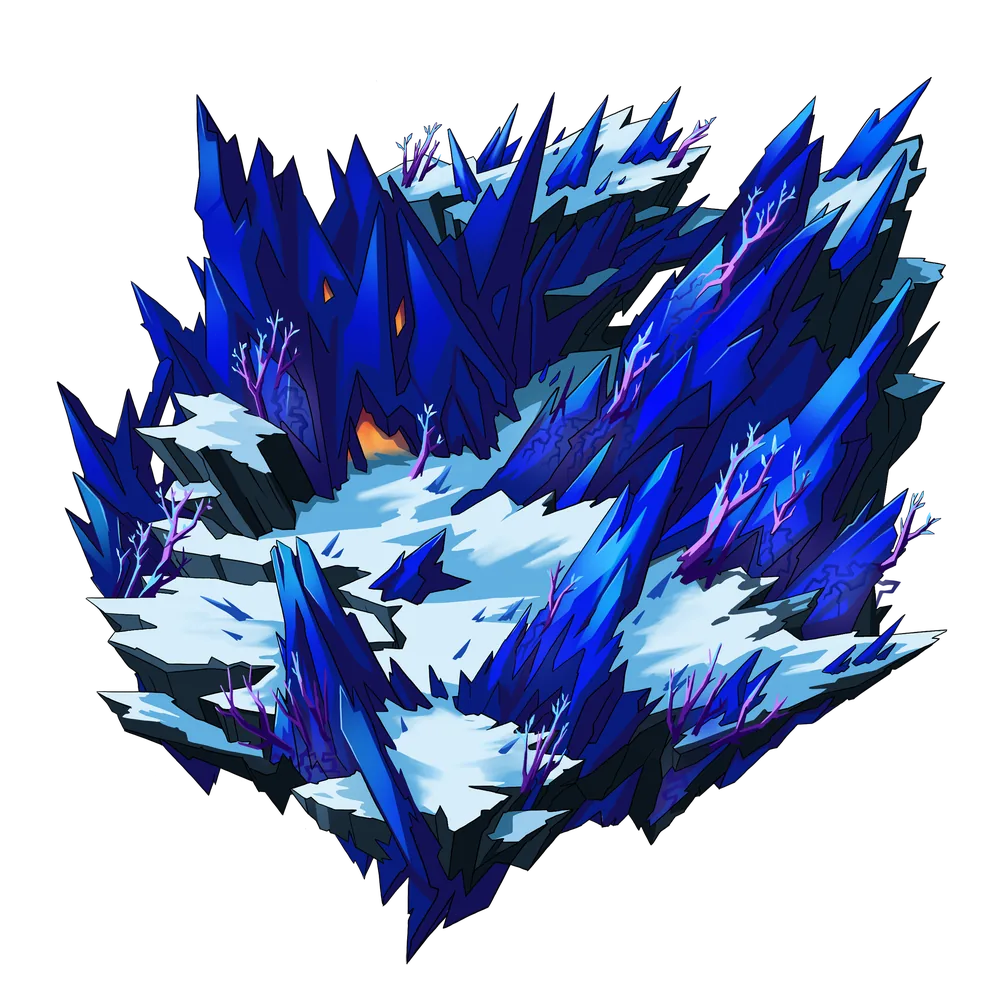
Chaos: the 111
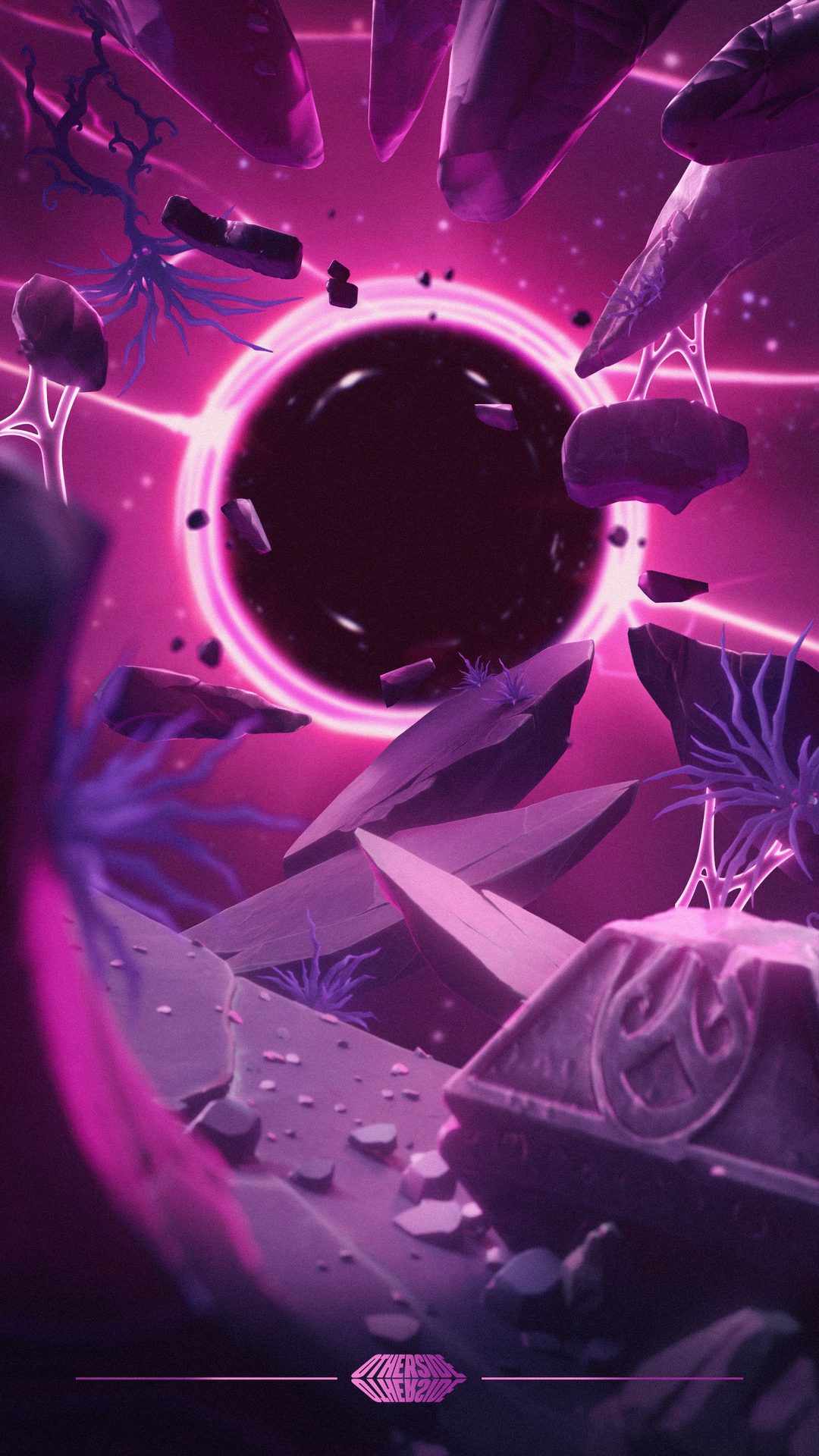
One environment deserves its own paragraph. Chaos is the rarest ground in Otherside — 111 plots out of 100,000, all clustered at the center of the map, where the map's rarest resources (Entropy, Void, Omni, Degradia) concentrate far beyond their share anywhere else — though none is exclusive to Chaos: each also surfaces on ordinary land, and their trait pages carry the exact counts. And Chaos teaches a statistics lesson worth keeping: every single Chaos plot is tier 5, so "Chaos + tier 5" is not two rarities multiplied — the tier is structurally tied to the terrain, and the resource mix skews with the environment. That's why this site counts actual combinations from the real data instead of multiplying trait percentages as if every trait were independent.
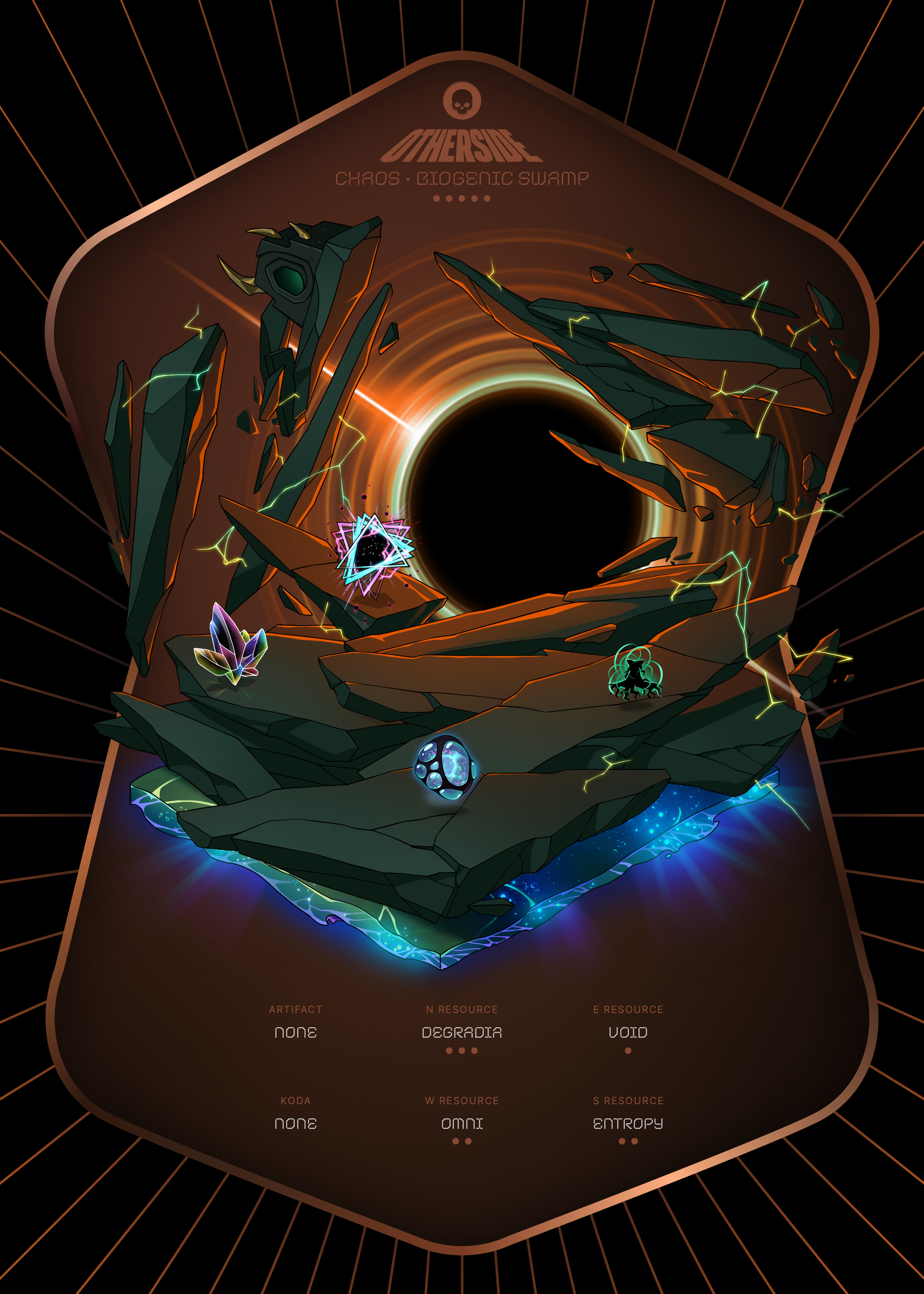
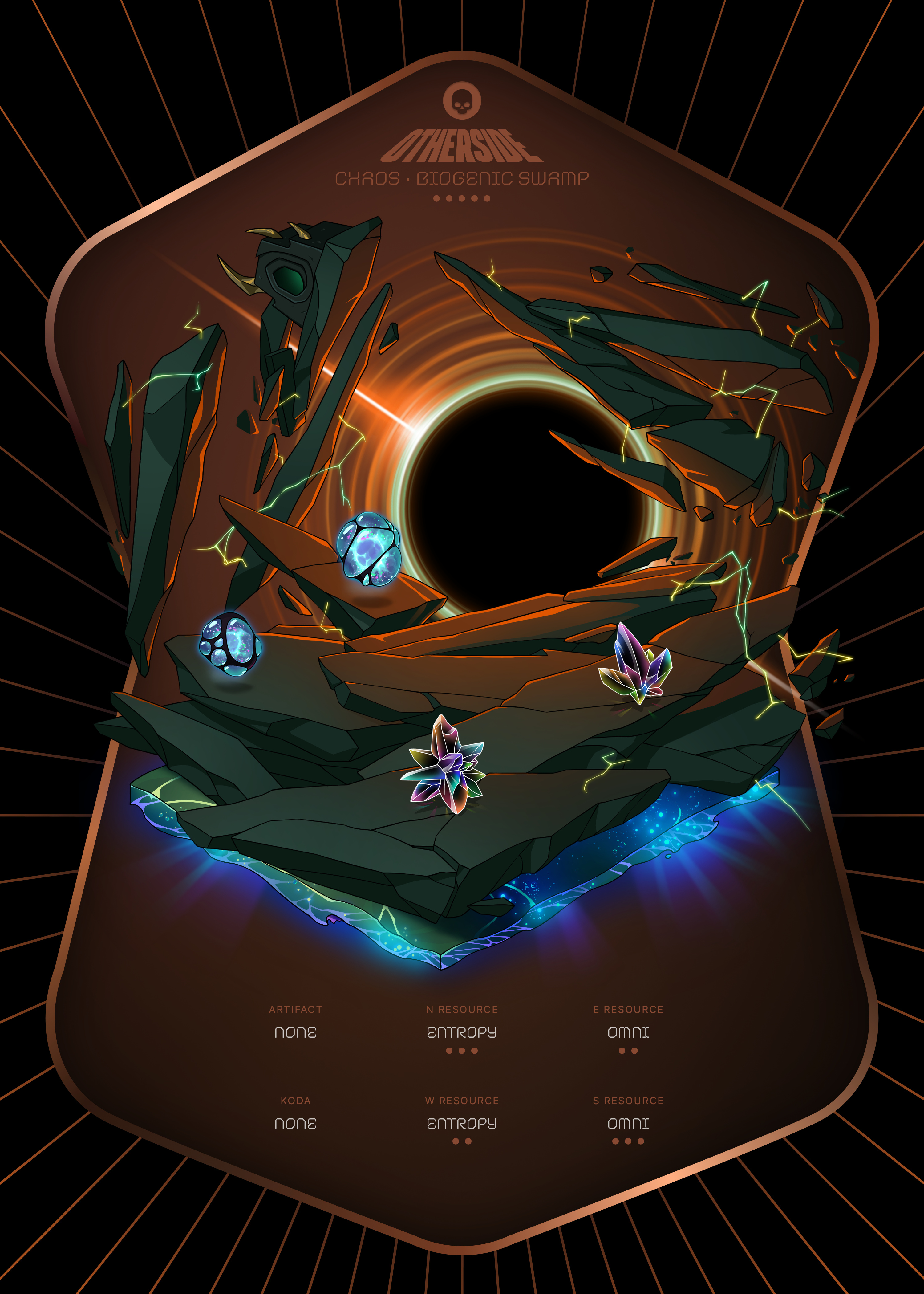
Rare terrain + rare contents
Environment is the terrain layer, not a complete rarity score. Imagine two plots in the same scarce environment: one carries a single common T1 deposit and nothing else; the other fills all four slots with two rares, one at T3, plus an artifact. Same environment supply — completely different deed-level profiles. So when you read an environment on a deed page, ask four questions: how many deeds have this environment, how many have this Environment Tier, how common is this tier inside this environment, and what else is stacked on the plot? That fourth question is where rare terrain becomes compound rarity.
Does the environment matter beyond looks?
Three factual things. Scarcity varies 60-fold between Chaos and Bog, and the market does distinguish between environments and between plot sizes — you can see the current spread yourself on the sales page. Some resources are exclusive to one environment, so the environment determines which deposits are even possible. And gameplay precedent exists: in Legends of the Mara, deed traits did real mechanical work — environment tier set worker capacity, sediment tier set farming yield. Yuga has also announced a resource system connecting all 74 resources across the land, coming online in 2026, with mechanics and exact timing still unpublished. Beyond that, nobody knows what future gameplay will value, and anyone who claims certainty is selling something.
Next: Sediments — the layer under the terrain — or jump to Resources, where the real rabbit hole starts.
Sources
- All supplies and tier distributions: this site's full-collection count, pulled from
api.otherside.xyz(environment counts verified against the chain).